

The Eye Clinic4 min read
Pink eye — conjunctivitis — is one of the most common eye complaints there is. It's usually mild and settles on its own, but it can be uncomfortable, and a few types need treatment. Here's what's going on, and the signs that mean it's worth having looked at.
What pink eye actually is
Conjunctivitis is inflammation of the conjunctiva — the thin, clear layer that covers the white of the eye and the inside of the eyelids. When it's irritated, its tiny blood vessels become more visible, which is what gives the eye that pink or red look.
It's extremely common, rarely serious, and can affect one or both eyes. Most cases clear up without any lasting effect on your sight.
The three common types
Viral conjunctivitis is the most common — often alongside a cold, with watery eyes. It's contagious and usually clears on its own over a week or two. Bacterial conjunctivitis tends to produce a stickier, yellow-green discharge and can sometimes need antibiotic drops. Allergic conjunctivitis comes with itch and often a runny nose, flares with pollen or dust, and affects both eyes.
Telling them apart isn't always easy — and it changes what helps — which is why lingering or unusual cases are worth a proper look.
What helps at home
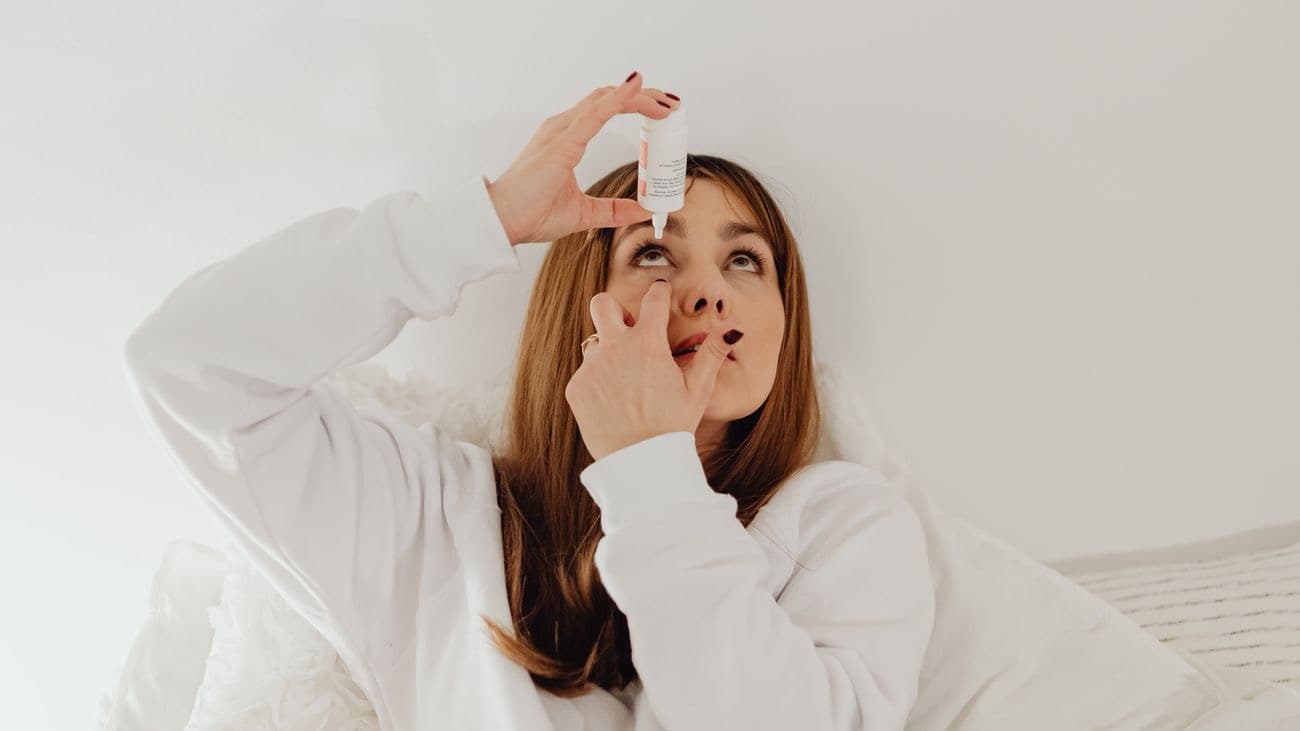
For mild pink eye: a clean, cool compress, lubricating drops for comfort, and good hand hygiene to avoid spreading it. Skip contact lenses until it's fully settled, and don't share towels or pillows.
Most viral and allergic cases ease with time and simple care. If you wear contact lenses and develop a red eye, take the lenses out and keep them out until you've been checked.
When to get it checked
See someone promptly if there's pain in the eye (not just irritation), blurred vision, strong light sensitivity, intense redness, or if it follows an injury or won't settle after a couple of weeks. A red eye in a newborn, or in a contact-lens wearer, should always be checked.
These signs help rule out the less common causes that look like pink eye but need treating — such as uveitis or a corneal problem. If in doubt, call us on 04 470 7663.