
Dry Eye Treatment
Dry, gritty, watery or tired eyes are among the most common reasons people seek help — and among the most treatable. The key is finding what's actually causing it, then managing it properly.
Understanding dry eye
Dry eye disease has many causes — from the tear film and eyelid glands to your environment and screen habits. Watery eyes can, surprisingly, be a sign of it too. We assess what's driving your symptoms before recommending treatment.
How we treat it
Treatment is tailored to you. It may include in-clinic procedures such as low-level light therapy (LLLT), alongside a home-care regimen designed to restore comfort and improve the health of the eye's surface over time.
Dry eye and Sjögren's syndrome
Sometimes dry eye is part of something bigger. Sjögren's syndrome is an autoimmune condition in which the body's immune system affects the glands that make tears and saliva — so persistent, significant dry eye alongside a dry mouth can be one of its first signs.
Because dry eye linked to Sjögren's tends to be more severe and long-lasting, it's worth recognising. Where we suspect it, we assess the eye surface carefully, manage the dryness properly, and work alongside your GP or rheumatologist so the whole picture is looked after — not just the symptoms.

What you might notice
- A dry, gritty or sandy feeling
- Burning or stinging
- Watery eyes (yes, really)
- Blurred vision that clears when you blink
- Tired, heavy eyes — especially on screens
- Redness or general irritation
Recognise these? Book a consultation and we'll help you get to the bottom of it.
A calm, purpose-built clinic in Te Aro
From the moment you arrive, everything is designed around unhurried, personal care — modern technology in a space that feels calm, not clinical.
See the clinic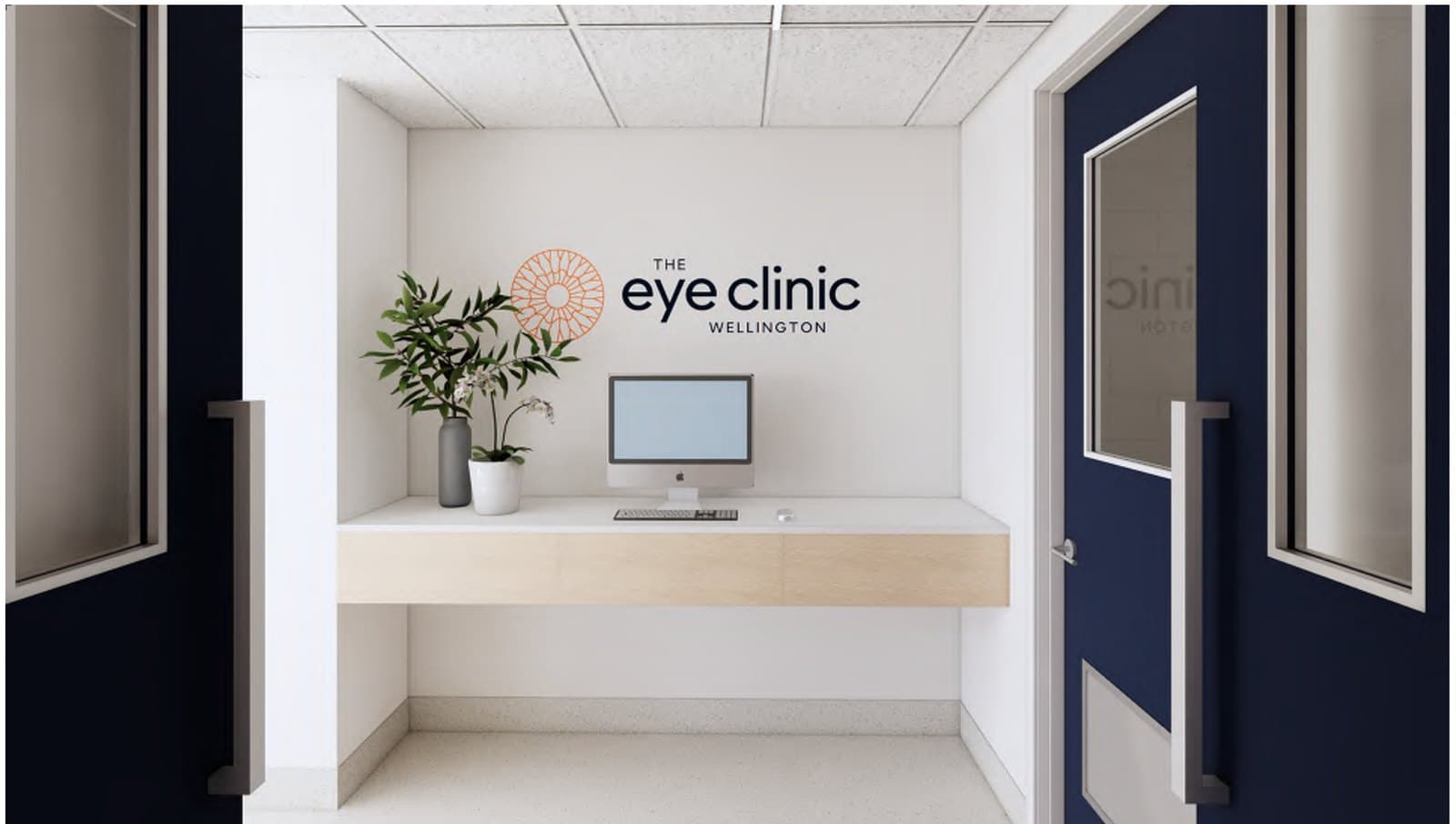
Common questions
Can dry eye be cured?
Why are my eyes watery if they're dry?
Will drops from the pharmacy fix it?
Does screen time make it worse?
How long until my eyes feel better?
Is dry eye just part of getting older?
Could my dry eye be Sjögren's syndrome?




Ready to see clearly?
Book a consultation with Dr Leong, or call the clinic to talk it through. We're here to help you see your very best.