
Myopia Control
Short-sightedness (myopia) usually starts in childhood and tends to get worse while the eyes are still growing — through the school years and into the early twenties. Slowing that progression early helps protect long-term eye health.
Why myopia control matters
Myopia isn't just about needing stronger glasses each year. Higher levels of short-sightedness carry a greater risk of eye problems later in life, so slowing its progression while the eyes are still developing — in childhood and the teens — is worthwhile.
Our approach
We use evidence-based strategies to slow myopia progression, including repeated low-level red-light (RLRL) therapy and atropine eye-drop protocols. Which approach suits your child depends on their age, their prescription and how quickly it's changing.
Every plan starts with a careful assessment and is monitored over time so we can see what's working.

Signs your child may be short-sighted
- Sitting very close to the TV or screen
- Squinting to see the board at school
- Holding books or devices close to their face
- Complaining of headaches or sore eyes
- Frequent eye-rubbing or blinking
- A prescription that keeps getting stronger
Recognise these? Book a consultation and we'll help you get to the bottom of it.

“With children, the goal isn't perfect vision today — it's protecting their eyes for the decades ahead. Slowing myopia now lowers the risk of serious eye problems later in life, and that is well worth doing.”
Dr James Leong — Ophthalmologist, FRANZCO
A calm, purpose-built clinic in Te Aro
From the moment you arrive, everything is designed around unhurried, personal care — modern technology in a space that feels calm, not clinical.
See the clinic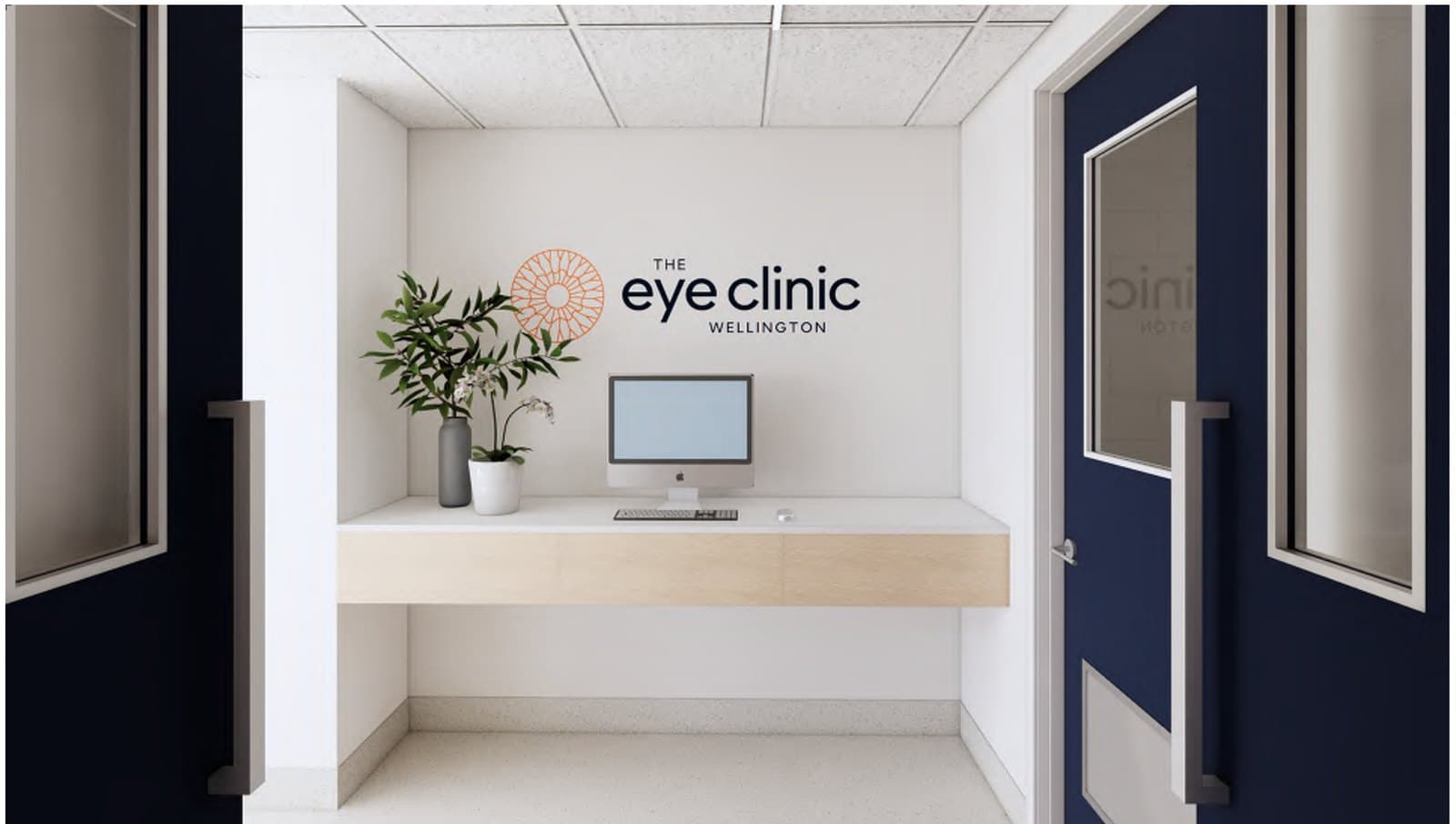
Common questions
Who is myopia control for?
Is myopia control safe for children?
Won't glasses alone slow it down?
Will my child need this forever?

Ready to see clearly?
Book a consultation with Dr Leong, or call the clinic to talk it through. We're here to help you see your very best.