
Cataract Surgery
A cataract clouds the eye's natural lens and blurs your sight gradually over time. Modern cataract surgery gently replaces that lens with a clear artificial one — one of the most effective procedures in medicine.
What cataract surgery involves
Cataract surgery removes the clouded natural lens and replaces it with a clear intraocular lens (IOL). Dr Leong uses suture-free, micro-incisional techniques designed to speed recovery and optimise your visual outcome.
Every eye is measured and planned individually. Where you have other eye conditions alongside a cataract, that planning matters even more — and it's an area Dr Leong pays particular attention to.
Standard & refractive cataract surgery
Every cataract operation is the same gentle procedure — the difference is the goal. Standard cataract surgery restores clear vision, usually set for distance, with glasses for close-up work. Refractive cataract surgery goes a step further: it uses premium lenses and precise measurements to reduce how much you depend on glasses afterwards.
Dr Leong offers both. Which is right for you comes down to your eyes, how you spend your day and what you'd like your vision to do — a decision you'll make together at your consultation. The lens options below are the heart of that choice.

Signs of cataracts
- Cloudy, blurry or dim vision
- Colours looking faded or yellowed
- Glare or halos around lights, especially at night
- Needing more light to read
- Frequent changes to your glasses prescription
- Difficulty driving, particularly after dark
Recognise these? Book a consultation and we'll help you get to the bottom of it.
What to expect — it's simpler than most people think
Getting ready
One planning visit
It usually starts with a referral from your optometrist or GP. At the clinic we measure your eye precisely and help you choose the right lens with Dr Leong — all in the one visit.
The day itself
Quick and gentle
The operation is a short day procedure — usually 10–15 minutes per eye under local anaesthetic, with a tiny incision and no stitches. You rest a little, then head home the same day.
Back to clear vision
We stay with you
Most people notice a difference within days. You'll use simple eye drops as it settles, and we check your eye the day after and again about a month later.
Choosing the right lens
Every cataract is removed once, but the replacement lens lasts for life. We'll match a lens to how you actually spend your days.
Enhanced monofocal
- What it does
- Crisp, high-contrast distance vision.
- Best for
- Drivers and anyone happy to wear glasses for close work.
- Keep in mind
- Reading or progressive glasses are usually still needed. The most cost-effective option.
Extended range (EDOF)
- What it does
- Continuous clear vision from distance to arm's length.
- Best for
- Active lifestyles, travellers and office work — glasses-free for most of the day.
- Keep in mind
- Small print may still need light readers; fewer night-time halos than a full-range lens.
Full range (multifocal)
- What it does
- Clear vision at near, intermediate and distance.
- Best for
- Those wanting the least possible dependence on glasses.
- Keep in mind
- Some glare or halos around lights at night are possible while your eyes adapt.

“A cataract operation should give you the vision that suits your life, not someone else's. No lens is perfect — none can fully replicate a healthy twenty-year-old eye — but together we can achieve clear, reliable vision tailored to the way you live.”
Dr James Leong — Ophthalmologist, FRANZCO
What to expect as you heal
of cataract surgeries improve vision when there are no other major eye conditions.
- Day 1–3
Clearer, brighter vision — though some blurriness is normal at first.
- Week 2–3
Vision and your glasses prescription settle, and you can update your glasses.
- Week 4–6
Full healing is expected, with colour and detail continuing to sharpen.
A calm, purpose-built clinic in Te Aro
From the moment you arrive, everything is designed around unhurried, personal care — modern technology in a space that feels calm, not clinical.
See the clinic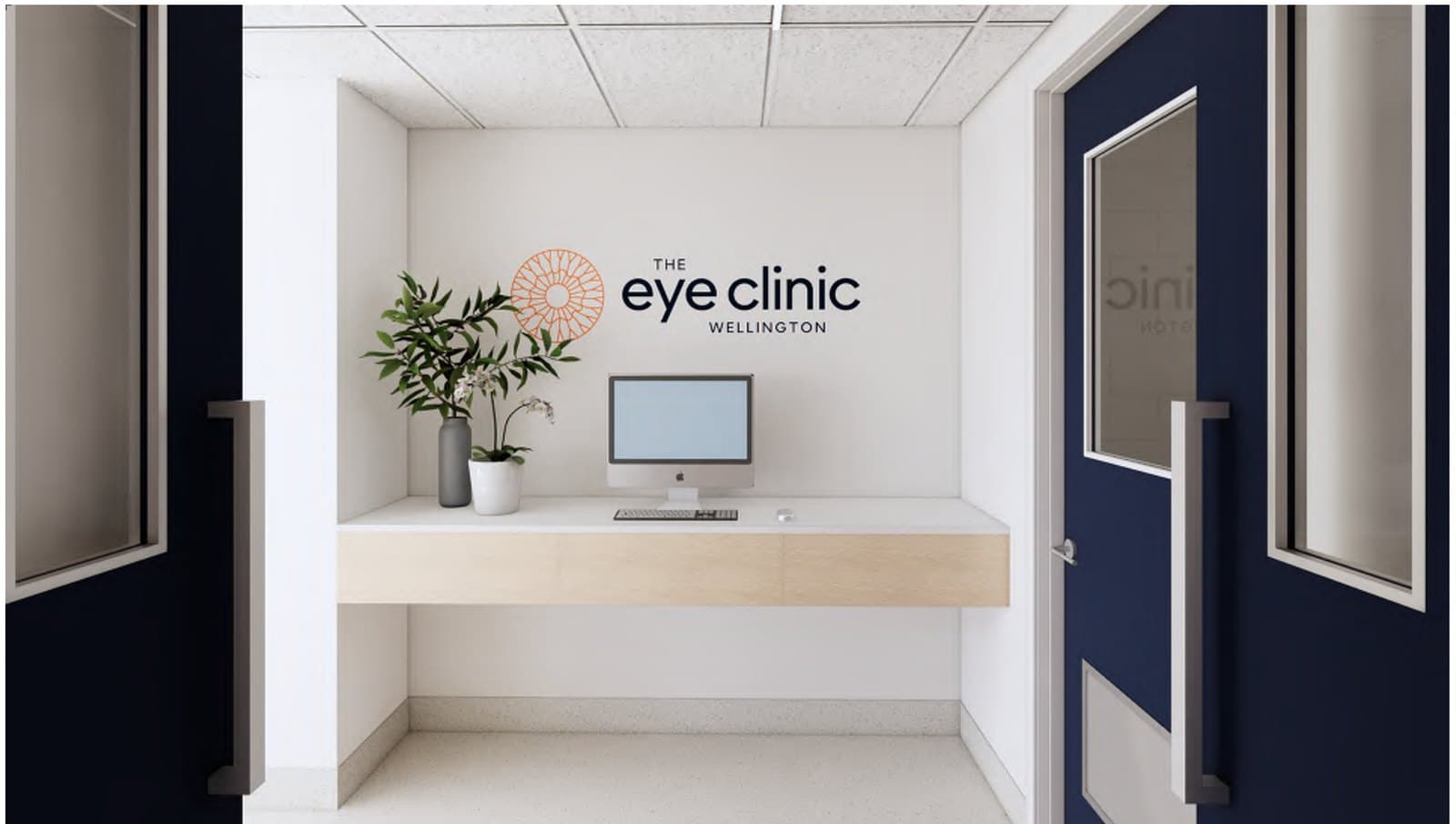
Common questions
Does cataract surgery hurt?
Can both eyes be done on the same day?
How long does recovery take?
Will I still need glasses afterwards?
What's the difference between standard and refractive cataract surgery?
I feel nervous — can I be sedated?




Ready to see clearly?
Book a consultation with Dr Leong, or call the clinic to talk it through. We're here to help you see your very best.