

The Eye Clinic5 min read
Little threads, dots or cobwebs drifting across your vision are one of the most common things people notice about their eyes. Usually they're harmless — but a sudden change is one of the few eye symptoms that shouldn't wait. Here's how to tell them apart.
What floaters and flashes actually are
Your eye is filled with a clear gel called the vitreous. As we age, that gel naturally becomes more watery and starts to shrink and pull away from the back of the eye. The tiny clumps and strands this creates cast shadows on your retina — the floaters you see, most obvious against a bright wall or the sky.
Flashes happen when the gel tugs on the retina as it separates. They can look like a brief arc or streak of light, often out of the corner of your eye. On their own, occasional floaters and the odd flash are usually just part of getting older.
When it's almost certainly nothing to worry about
A few floaters that have been there for years, don't change, and settle to the edge of your vision are very common and rarely a sign of anything serious. The same is true of the occasional flash as the eye's gel shifts.
If they're stable and you've had them checked before, they usually just need keeping an eye on rather than treating.
The warning signs to act on
See an eye specialist promptly if you notice a sudden shower of new floaters, a burst of flashing lights, or — most importantly — a dark shadow or curtain coming across part of your vision. Together these can be signs the retina is tearing or detaching, which needs treating quickly to protect your sight.
This is the kind of change we'd always rather see sooner than later. If it happens, call us on 04 470 7663 — don't wait for a routine appointment.
What happens when you come in
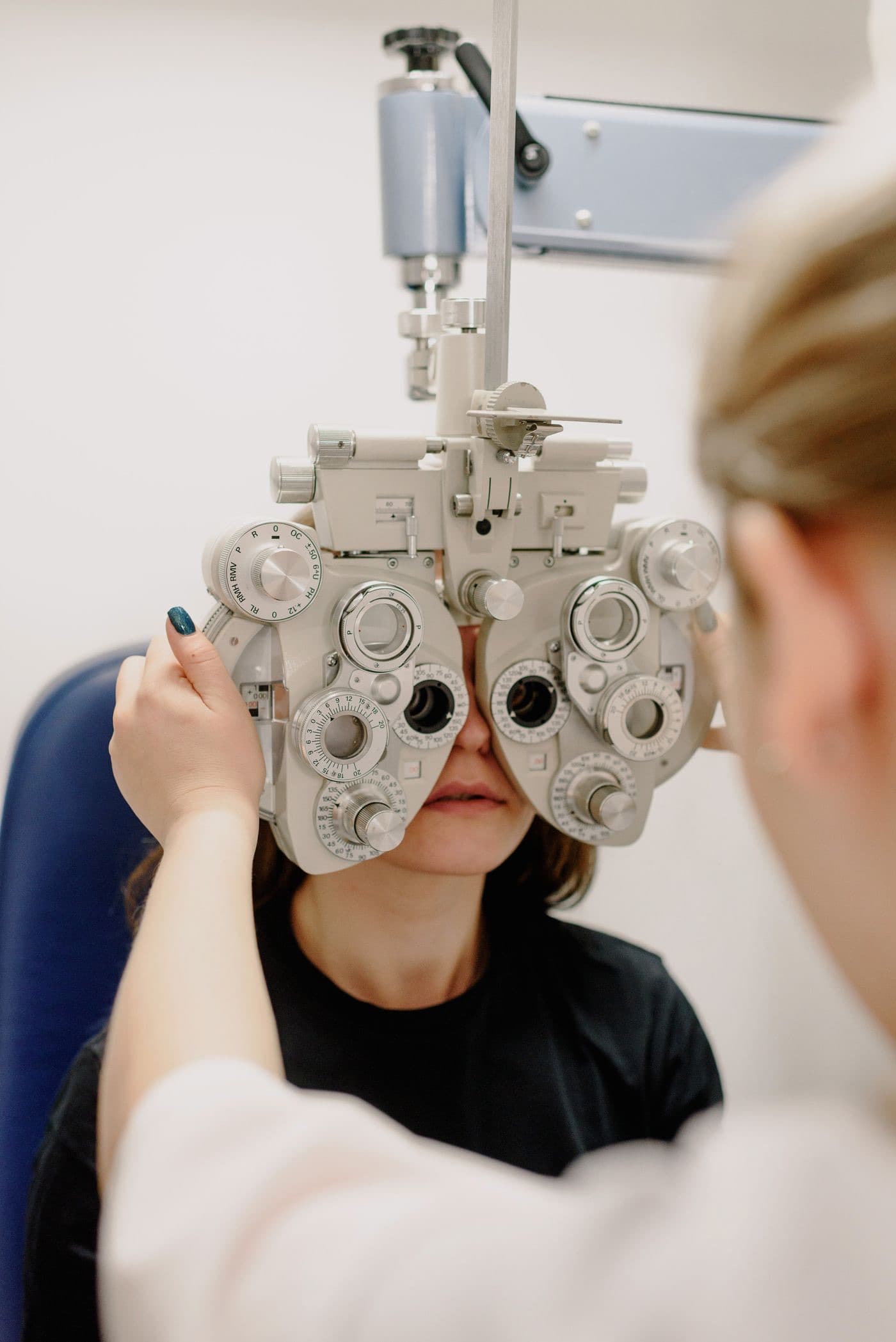
We'll dilate your pupils with drops so we can examine the retina in detail, often with modern imaging. If everything's stable, that's reassurance you can trust. If there's a tear, catching it early usually means a straightforward treatment rather than urgent surgery.
Because the drops blur your vision for a few hours, it's best to arrange a lift or a taxi home rather than drive yourself.