

The Eye Clinic5 min read
If you live with diabetes, your eyes are one of the places it can show up first — often before you'd notice any change in your sight. The good news is that regular checks pick up problems early, when they're most treatable. Here's what those checks are for.
How diabetes affects the eye
Over time, higher blood sugar can damage the tiny blood vessels in the retina, the light-sensitive layer at the back of the eye. This is called diabetic retinopathy. Early on it usually causes no symptoms at all — which is exactly why it's easy to miss without a check.
Left unchecked, it can progress to affect your vision. Caught early, it can often be monitored or treated before it ever does.
Why regular screening matters
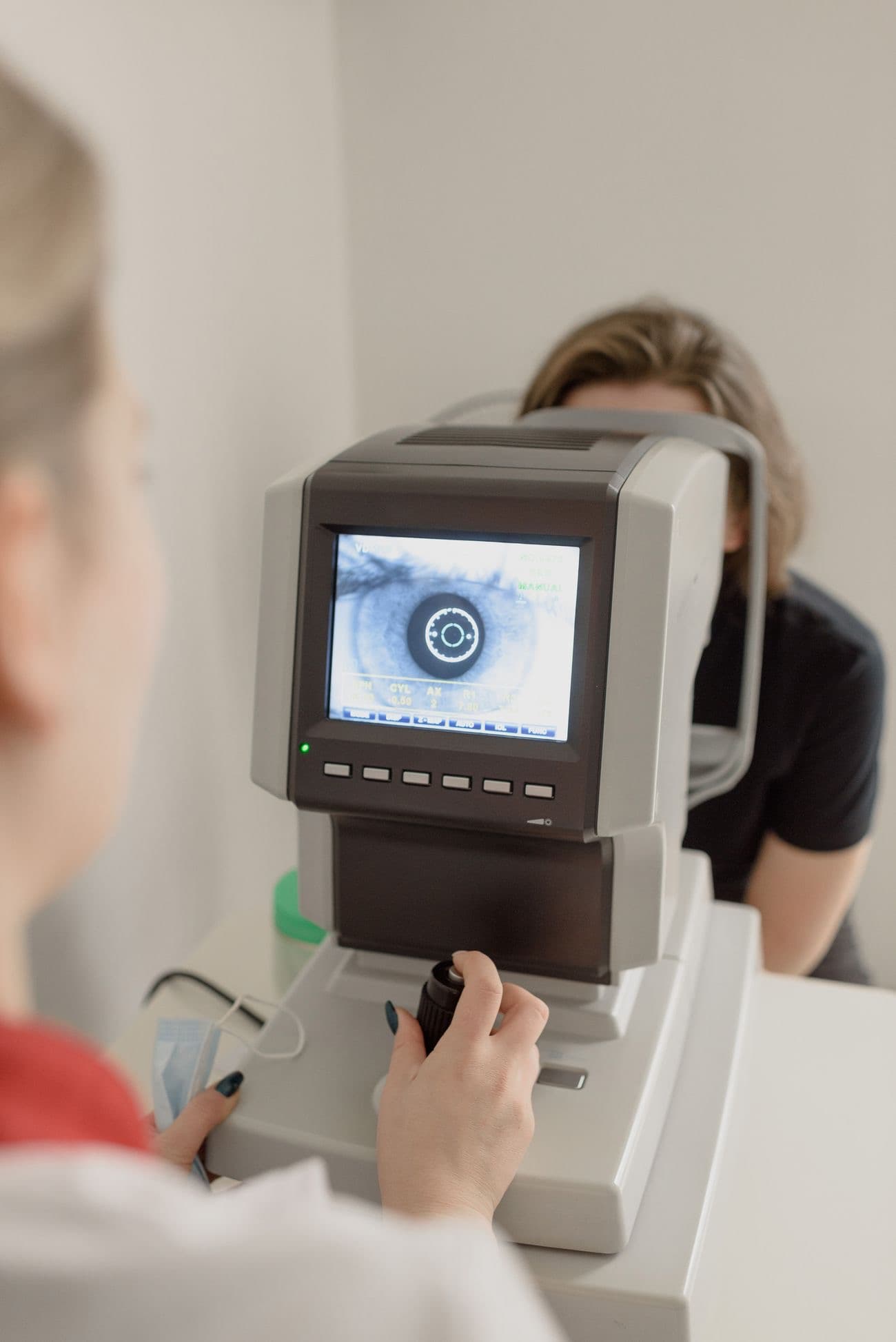
Because early diabetic eye disease is silent, the aim is to find changes before you'd ever feel them. Regular retinal screening — usually with photographs of the back of your eye, and detailed imaging where needed — lets us track your eyes over time and step in at the right moment.
Most people with diabetes should have their eyes checked regularly, even when their sight feels perfectly fine.
What we look for, and how we treat it
We look for changes in the retinal blood vessels, swelling at the macula (the centre of your vision), and any new, fragile vessels. Dr Leong's specialist interest is medical retina, using multimodal imaging to detect and monitor these changes precisely.
When treatment is needed, options such as retinal laser or other therapies are very effective — and far more so when the problem is caught early.
What you can do
Keeping your blood sugar, blood pressure and cholesterol well managed is the single biggest thing you can do to protect your eyes — alongside not smoking. And if you ever notice blurred vision, new floaters or a shadow in your sight, have it checked promptly rather than waiting for your next routine screen.